Introduction
Dysphagia, or problem ingesting, is a condition that influences numerous individuals across different age groups. Whether due to aging, neurological disorders, or other clinical conditions, dysphagia can significantly affect a client's lifestyle. For nurses and care staff, recognizing dysphagia is important not simply for giving suitable care however likewise for guaranteeing effective communication with clients who may battle with revealing their requirements. This write-up explores the importance of Dysphagia Training for Nurses: Bridging the Gap in Individual Communication, exploring different elements such as training programs, practical applications, and the total value of improving interaction in care settings.
Understanding Dysphagia
What is Dysphagia?
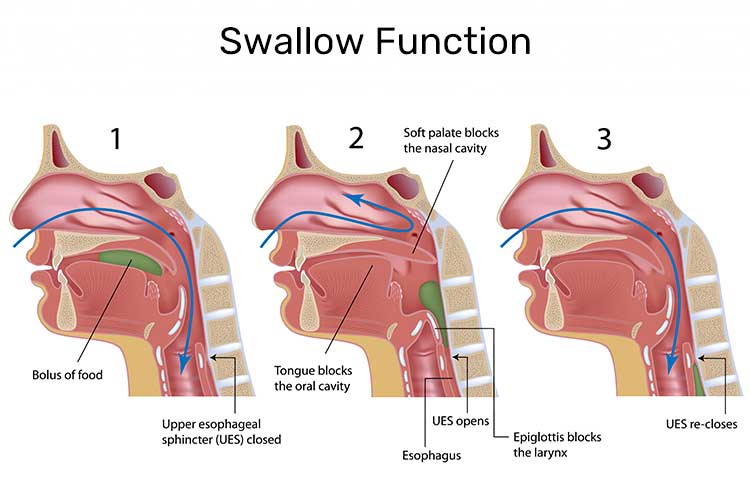
Dysphagia describes the problem in swallowing that can happen at any type of phase of the ingesting procedure: dental, pharyngeal, or esophageal. Clients might experience pain while eating or drinking and may also risk aspiration, leading to extreme issues such as pneumonia.
Types of Dysphagia
Dysphagia can be classified into 2 major types:
Oropharyngeal Dysphagia: Trouble starting the swallow reflex. Esophageal Dysphagia: Difficulty relocating food down via the esophagus.
Causes of Dysphagia
There are several reasons for dysphagia that include:

- Neurological problems (e.g., stroke, Parkinson's disease) Structural problems (e.g., growths) Muscular problems (e.g., muscular dystrophy) Aging process
The Importance of Dysphagia Training for Nurses
Enhancing Patient Safety
One significant reason for carrying out dysphagia training for nurses is to enhance person safety. Correct identification and management of dysphagic signs can stop goal pneumonia and malnutrition.
Improving Patient Outcomes
Research has shown that clients receiving care from experienced staff display much better results. With proper training, registered nurses can create tailored treatment plans that deal with details client needs related to ingesting difficulties.
Components of Effective Dysphagia Training
Curriculum Overview
A thorough dysphagia training course ought to cover different key areas:
- Anatomy and physiology related to swallowing Assessment techniques Individualized care planning Nutritional considerations Communication strategies
Hands-On Skill Development
Training needs to not be limited to theoretical understanding; useful skills are similarly vital. Workshops that simulate real-life situations enable registered nurses to practice assessments and treatments effectively.
Dysphagia Care Educating Programs
Types naturally Available
There are numerous sorts of dysphagia training courses readily available for healthcare specialists:
Basic training courses focusing on fundamental knowledge. Advanced courses resolving intricate cases. Specialized workshops on dietary support in dysphagic patients.Online vs In-Person Training
Both online and in-person options have their benefits:
- Online courses offer flexibility. In-person training promotes collaboration and hands-on skills.
Implementing Dysphagia Protocols in Professional Settings
Developing Institutional Guidelines
Nurses play a crucial role in establishing dysphagia procedures within their establishments. Teaming up with speech therapists and dietitians guarantees a multidisciplinary approach.
Regular Team Training Sessions
Continuous education and learning is essential. Frequently arranged training sessions assist maintain team updated on ideal methods pertaining to dysphagic patients.
Communication Methods for Nursing Staff
Active Listening Techniques
Effective interaction starts with energetic listening. Nurses need to listen to verbal hints from individuals experiencing dysphagia while likewise being observant of non-verbal signals.
Simplifying Instructions
Clear interaction is crucial when advising patients regarding nutritional alterations or ingesting methods. https://manuelfbot226.image-perth.org/creating-safer-atmospheres-the-effect-of-dysphagia-training-in-care-setups Making use of straightforward language aids stop misunderstandings.
Utilizing Modern technology in Dysphagia Care
Telehealth Consultations
Telehealth has actually become an invaluable source throughout recent times. It permits nurses to seek advice from experts relating to dysphagic clients without calling for physical visits.
Mobile Applications for Monitoring
Various applications exist that help track nutritional intake and signs connected to dysphasia. Registered nurses can utilize these devices to keep track of patient progress effectively.
Patient-Centered Strategy in Dysphagic Care
Involving Clients in Their Care Plans
Encouraging person participation improves compliance and fulfillment degrees regarding treatment plans aimed at handling dysphonia.

Family Education and learning and Support
Educating member of the family about how they can help patients with dysplasia creates a helpful setting for recovery.
Barriers to Effective Communication Relating To Dysphasia
Language Barriers
Patients that speak different languages might have a hard time much more with communicating their needs concerning ingesting difficulties. Recognizing interpreters comes to be vital here.
Cognitive Impairments
Patients experiencing cognitive impairments may discover it testing to articulate their experiences with dyslexia; hence adjusting interaction strategies ends up being essential.
The Function of Interdisciplinary Teams
Collaboration Amongst Health care Professionals
An interdisciplinary technique including speech-language pathologists, dietitians, and nursing staff ensures comprehensive care tailored specifically towards handling dyslexia effectively.
Evaluating the Effectiveness of Training Programs
Assessing Expertise Retention Post-Training
It's essential not simply to implement training but additionally analyze its effectiveness in time through tests or useful skill demos post-training sessions.
FAQs Section
What does 'dysphagia' mean?- Dysphagia describes difficulty ingesting due to different medical conditions impacting the muscles associated with the ingesting process.
- Specialized training furnishes registered nurses with expertise concerning assessment methods, secure feeding techniques, and reliable interaction techniques important for looking after patients with dysplasia.
- Topics usually include makeup related to ingesting technicians, assessment methods, dietary alterations, ambition prevention methods etc.
- Regular updates are suggested-- at least yearly-- to make sure all staff remain experienced about present best practices.
- Absolutely! Telehealth assessments offer simpler accessibility to professionals while mobile applications enable tracking signs efficiently.
- Signs consist of coughing while eating/drinking, trouble chewing/swallowing food things securely & & inexplicable weight loss over time amongst others.
Conclusion
The importance of reliable communication can not be overemphasized when it comes to handling individuals suffering from dyslexia; thus stressing appropriate prep work with proper instructional avenues continues to be extremely important within medical care systems today! The combination of comprehensive Dysphaigia Training programs will most certainly bridge gaps in between caretakers & & those they serve-- ultimately leading toward enhanced health results! It's imperative currently even more than ever that we prioritize Dysphaigia Support, making sure every nurse feels confident tackling this detailed aspect head-on!